Home / Become a Trainer
Learn the craft
on the ground
Mentorship for people serious about becoming professional dog trainers — taught on real client dogs, not theory.
The program
Handling hours
beat certificates
Most new trainers have read everything and touched nothing. This program inverts that.
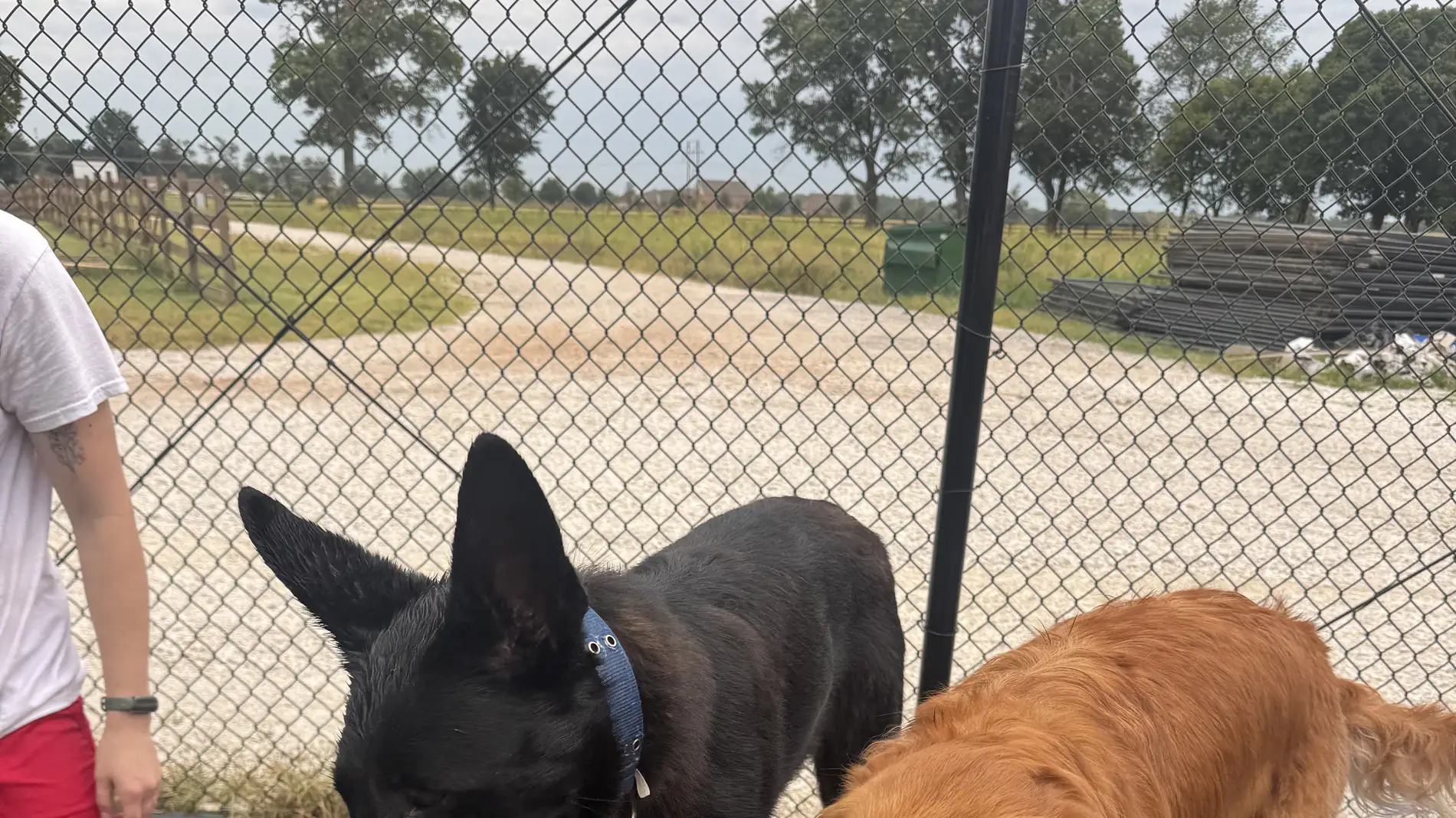
You work alongside Steve on live cases: intake assessments, obedience blocks, behavior sessions, and the unglamorous parts — kennel routines, client communication, and knowing when to say no to a case.
Spots are limited because real mentorship does not scale. If you are looking for a weekend certificate, this is not it.
- Hands-on hoursReal client dogs, supervised, from day one.
- Mechanics and timingThe parts that separate a trainer from a hobbyist.
- The business sidePricing, intake, boundaries, and when to refer out.
- Honest feedbackYou will be corrected. That is the point.
What the work is
The unglamorous parts
are most of it
Kennel routine
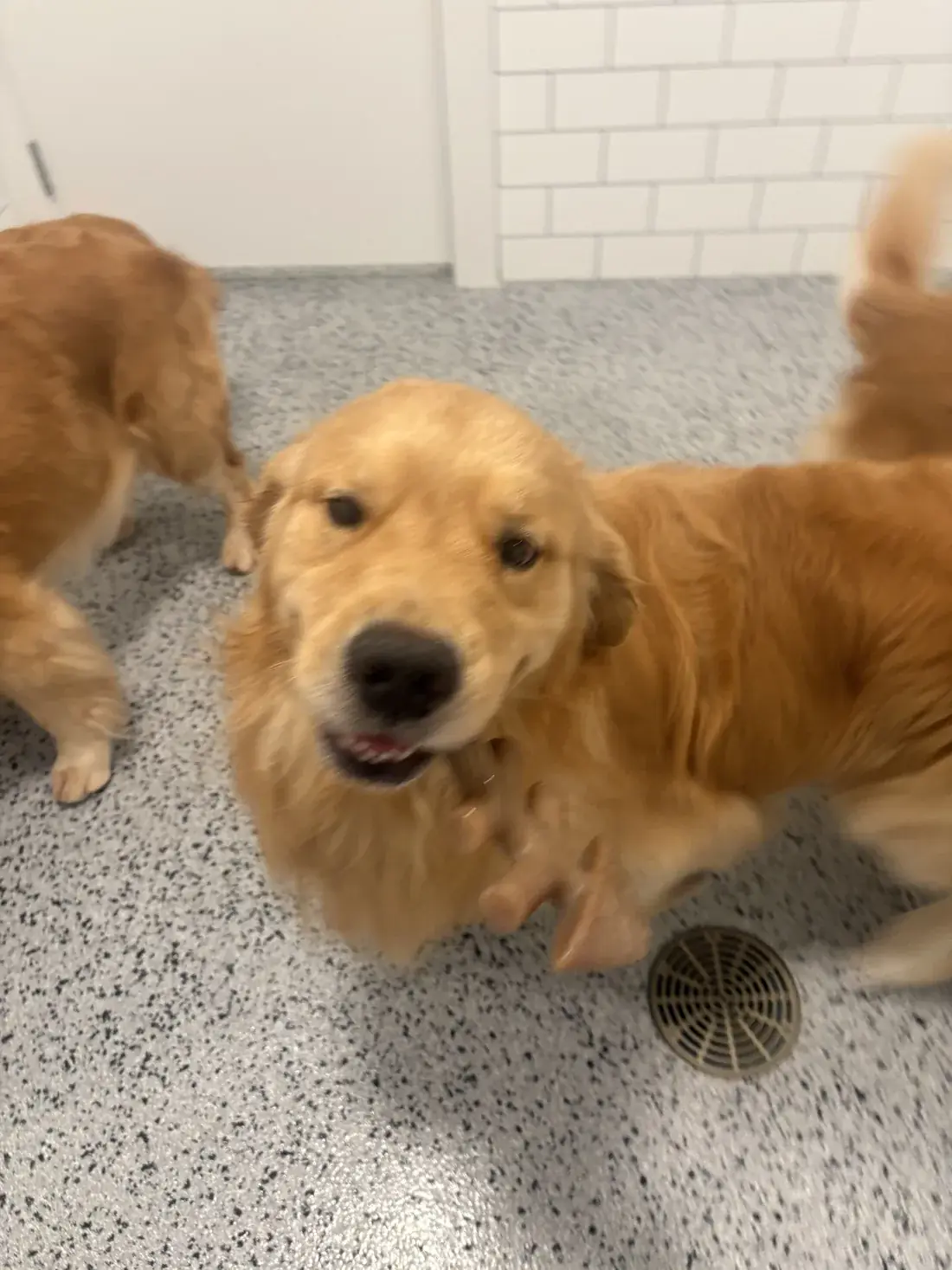
Feeding, cleaning, medication, rotation, and watching for the small changes that mean a dog is not coping. This is where you learn to read animals, and it is also most of the day.
Client communication
Telling an owner their dog needs more than they hoped, or that a program will not fix what they wanted fixed. The training is often easier than the conversation about it.
Knowing your limits
When to refer to a veterinary behaviorist, when to turn a case down, and when a dog needs medical help rather than obedience. Trainers who never say no cause harm.
Who this suits
Honest about the fit
This works for people who want to do this professionally and are prepared to be bad at it in front of someone for a while. Correction is constant, because that is how mechanics improve.
It does not work for people looking for a credential to hang on a wall, or for people who already know how they want to train and are looking for confirmation. We are not going to spend months arguing methodology.
Prior experience helps but is not required. Willingness to handle a difficult dog on a wet morning in February matters more than any course you have taken.
Practicalities
Time, money, and what
you walk away with
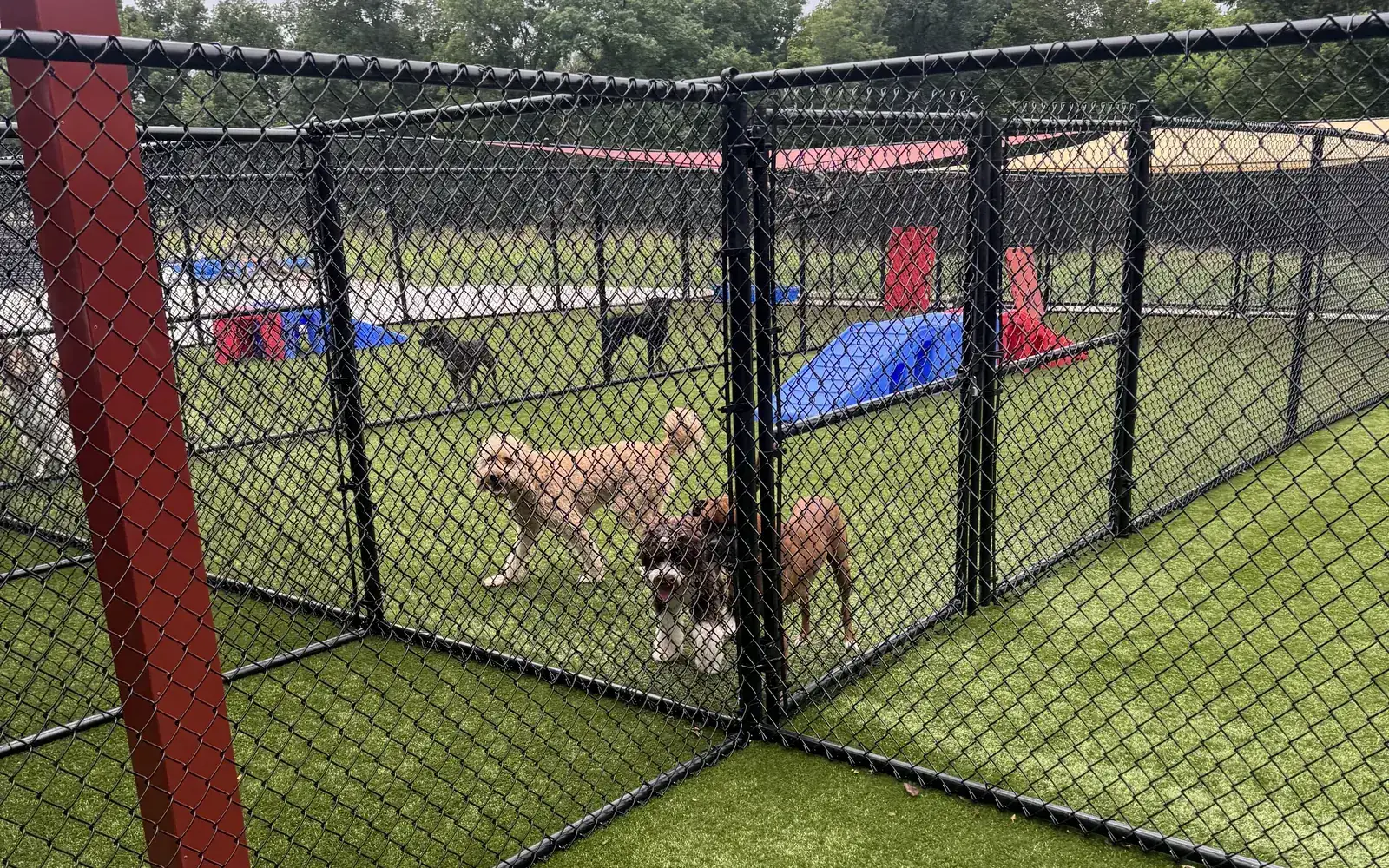
Mentorship runs in blocks measured in months, not weekends, because handling skill is built through repetition on live animals and there is no shortcut around that. Hours are arranged around the kennel schedule, which means early mornings and some weekends.
Cost depends on the length of the block and whether you are working alongside paying client dogs or shadowing only. We quote it after a conversation, because a career-changer with no experience and a working handler who wants to sharpen mechanics need different things and should not pay the same.
What you leave with is handling hours, references, and a straight assessment of whether you are ready to charge people money for this. We will not certify you, because the certification we would issue would be worth nothing. What carries weight in this industry is who trained you and what you can demonstrate.
Apply
Tell us why
you want this
We read every application. Experience level matters less than whether you are coachable and willing to put in unglamorous hours.